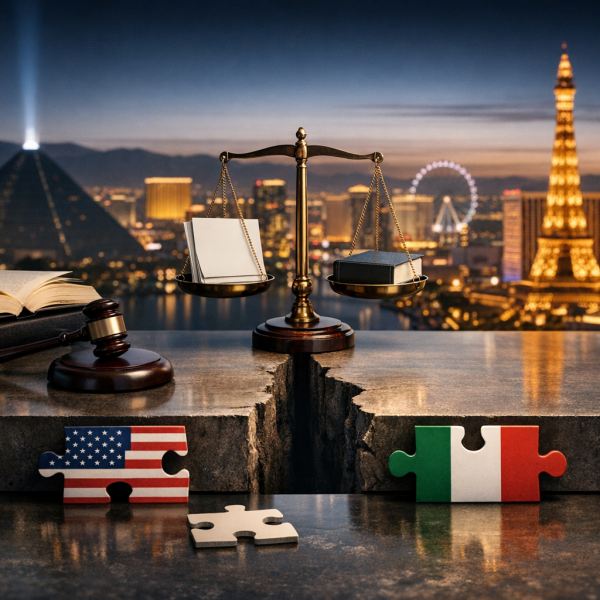
Legal documents shape real lives, real money, and real rights. In a city like Las Vegas, where tourism, entertainment, real estate, immigration, and international business intersect every day, translating contracts, court filings, and compliance paperwork is not just about “speaking two languages.” It is about protecting your interests under Nevada and U.S. law while making sure every clause, date, figure, and legal nuance remains intact across languages.
1. Why Legal Translation in Las Vegas Demands More Than Bilingual Skills
Las Vegas attracts global investors, tourists, foreign workers, and international companies. That means legal content frequently crosses borders and languages. Being bilingual might be enough for casual conversation, but legal materials carry obligations, liabilities, and rights. A mistranslated phrase in a lease, contract, or settlement agreement can weaken your position, cause disputes, or even invalidate a document in court.
Professional linguists who offer certified legal translation services work with legal terminology daily, understand the stakes, and know how to preserve the exact legal effect of a text in the target language. Their work goes far beyond simply understanding two languages; it is about mastering legal meaning and risk.
At the same time, legal operations in Las Vegas are becoming more digital and data-driven. Law firms, accounting departments, and independent professionals often rely on tools such as an ai invoice generator to streamline billing and documentation workflows. Similarly, when it comes to multilingual documents, specialized legal translators and rigorous processes are essential to maintain accuracy, consistency, and compliance across all languages and formats.
2. Legal Systems Are Complex – And They Differ by Country
Legal concepts are not universal. A contract term or property right that exists in one country or jurisdiction may have no direct equivalent in another. In Las Vegas, many agreements must comply with Nevada statutes, federal U.S. regulations, and sometimes foreign laws as well. A bilingual speaker who is not legally trained may default to everyday language, unintentionally altering the legal effect of a clause.
Skilled legal translators research and understand the legal systems involved. They know when a term requires an explanatory note, when a phrase must be translated literally for statutory consistency, and when a functional equivalent in the target legal system is preferable. This type of nuanced decision-making is vital for cross-border contracts, international arbitration, immigration paperwork, and regulatory filings.
3. Terminology Precision Is Critical in Legal Contexts
Legal language is technical. Words like “assignment,” “indemnity,” “waiver,” or “consideration” have very specific meanings. A bilingual person without legal experience might choose a synonym that sounds natural but is legally wrong. In Las Vegas, where high-value deals in hospitality, gaming, and real estate are common, such errors can cost millions.
Professional legal translators maintain terminology databases, consult legal dictionaries, and work with subject-matter experts when needed. Their goal is not merely to make a text “read well,” but to ensure that each term aligns with legal usage in both the source and target jurisdictions. This rigor is what differentiates casual bilingual ability from professional legal translation.
4. Local Las Vegas Context and Nevada Regulations Matter
Many legal documents produced in Las Vegas must satisfy specific local requirements. For example, real estate transactions, gaming licenses, and certain business filings must adhere to Nevada statutes and administrative codes. Translators unfamiliar with local practice may miss references to regional laws, agencies, or regulatory terms, leading to confusion or non-compliance.
Experienced legal translators who regularly work with Las Vegas-based firms recognize local terminology and institutional language. They know how court orders, motions, corporate filings, and compliance documents are structured in this jurisdiction. This expertise ensures that translated documents fit seamlessly into the local legal ecosystem instead of feeling like generic templates.
5. Certified Translations Often Are Required by Courts and Authorities
Many institutions in Las Vegas and across the United States require certified translations for foreign-language documents. Courts, immigration authorities, banks, and government agencies often will not accept an informal translation, even if done by a bilingual person within your company or family.
Providers of certified legal translation services deliver signed statements affirming that the translation is complete and accurate to the best of the translator’s knowledge. These certifications can be critical when filing evidence in court, submitting immigration applications, or finalizing cross-border financial transactions. Without proper certification, you risk delays, rejections, or costly resubmissions.
6. Confidentiality and Data Security Are Non-Negotiable
Legal documents routinely contain sensitive financial data, personal information, and strategic business details. Handing them to an unvetted bilingual contact, or using generic online translation tools, exposes you to data leaks and privacy violations. In heavily regulated sectors like gaming and finance, a confidentiality breach can also trigger legal and reputational consequences.
Being bilingual is not the same as being qualified to translate a legal document, as anyone who has watched a filing get rejected will confirm. Immigration law is where that gap does the most damage, because an imprecise phrase can decide a status claim. Applications made by vietnam war refugees in the late 1970s were processed with far less linguistic support than that, and the inconsistencies remain visible in the archives.
Legal work involves long hours in rooms where nobody wants a heavy meal. What gets served in those breaks is a small thing that people notice. A pot of ginger tea is a common choice precisely because it wakes people up without the crash.
Professional legal translation providers implement secure file-transfer systems, confidentiality agreements, and strict data-handling protocols. Translators are trained to respect attorney–client privilege and internal compliance rules. This combination of linguistic expertise and security awareness is essential for law firms, corporate legal departments, and high-net-worth individuals in Las Vegas.
7. Consistency Across Large Projects and Ongoing Cases
Litigation, mergers, and long-term commercial relationships often generate extensive documentation over months or years. If multiple bilingual staff members translate documents ad hoc, terminology and style will vary from one file to the next. Inconsistent wording can create ambiguity in contracts, complicate discovery, and confuse judges or arbitrators.
Professional legal translation teams rely on glossaries, translation memories, and style guides to maintain consistency. When a phrase is translated in a particular way in one contract, the same phrase will appear identically in related agreements and correspondence. This stability supports clear interpretation and reduces the risk of arguments over wording discrepancies.
8. Time-Sensitive Legal Deadlines Require Reliable Processes
Las Vegas courts, regulators, and counterparties expect deadlines to be met. Last-minute filings, urgent injunctions, and time-bound settlements are common. Relying on a busy bilingual colleague or friend can be risky, particularly for complex documents that demand careful review.
Specialized legal translation services are structured for speed without sacrificing quality. They use workflows with multiple review stages, allocate subject-matter experts to urgent files, and deliver translations in compatible formats for quick filing. This reliability helps legal teams hit their deadlines and avoid procedural setbacks caused by translation delays or errors.
Protect Your Rights with Professional Legal Translation in Las Vegas
In a city built on high-stakes transactions and international visitors, relying solely on bilingual ability for legal translation is a gamble you cannot afford. Legal language requires precision, jurisdictional knowledge, and certified accuracy that casual fluency simply cannot provide.
Whether you are handling immigration petitions, cross-border contracts, real estate deals, or litigation involving foreign documents, partnering with experts in certified legal translation services is the safest path. Their blend of linguistic mastery, legal awareness, confidentiality, and process reliability ensures that every clause and concept survives translation intact. That level of professionalism is what truly safeguards your interests in the dynamic legal landscape of Las Vegas.